

 By
By As global demand for advanced weaponry continues to climb amid rising geopolitical tensions, Asia has emerged as a significant player in the international arms trade, with a handful of nations carving out substantial market shares despite competition from traditional Western suppliers.
According to the latest data from the Stockholm International Peace Research Institute (SIPRI) covering 2021–2025, two Asian countries stand out as major global arms exporters: Israel and China. South Korea is rapidly ascending as a formidable contender, reflecting broader trends of defence industrial growth across the region.
The Regional Leaders
Israel has solidified its position as one of Asia’s top arms exporters, ranking 7th globally with a 4.4% share of international major arms transfers in 2021–2025 — a notable increase from 3.1% in the previous period. Its exports surged by 56%, driven by high-tech systems such as drones, missile defence, radar technology, and avionics. India remains its largest customer, absorbing a significant portion of Israeli sales, followed by countries in Europe and Southeast Asia.
Israel’s success stems from its battle-tested innovations and willingness to export sophisticated systems with fewer political strings attached than many Western suppliers. Its pivot toward Asia has been particularly effective, with growing interest from nations like India, Vietnam, the Philippines, and Singapore seeking advanced capabilities to counter regional threats.
China, long a major supplier, accounted for 5.6% of global arms exports in the same period, placing it 5th worldwide. While its overall growth has been modest (up 11% from 2016–2020), Beijing maintains a strong foothold in Asia and Africa, with Pakistan receiving the lion’s share (61%) of its exports. Other key recipients include Bangladesh, Thailand, and several African nations.
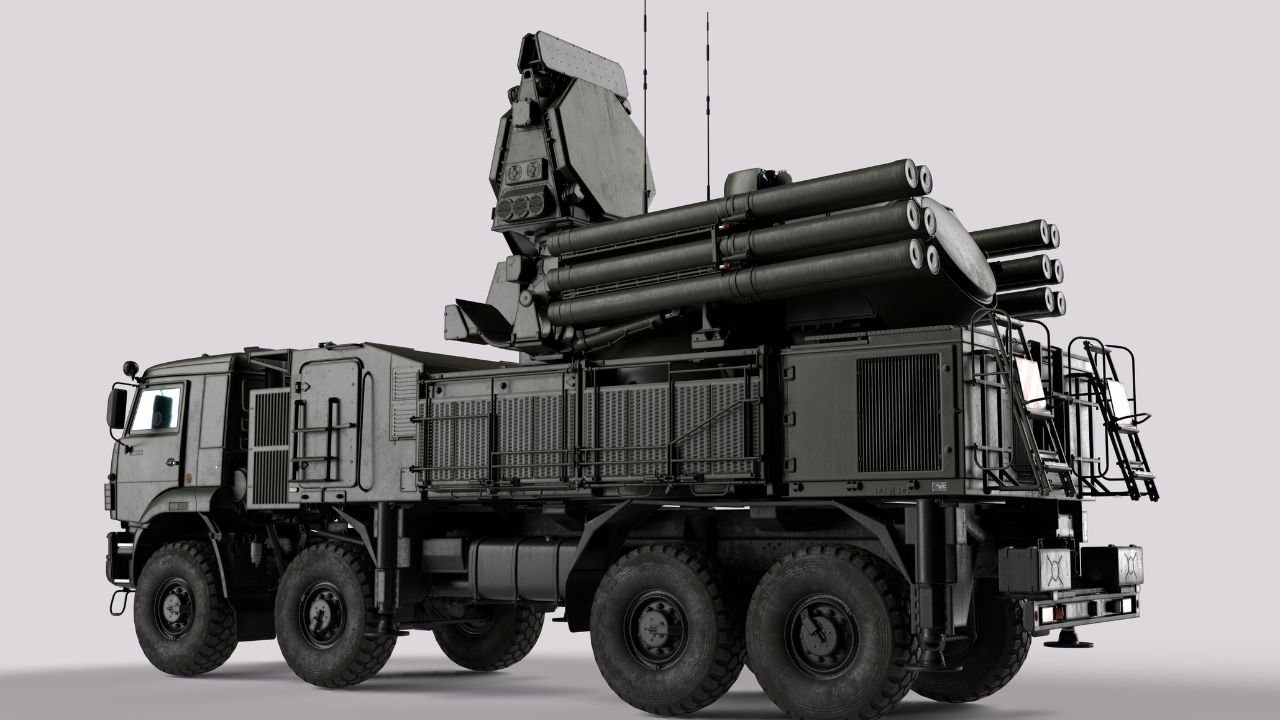
Chinese arms are often competitively priced and come with attractive financing packages, making them appealing to developing countries. However, political concerns and questions over reliability have limited penetration into wealthier markets. China’s exports focus heavily on combat aircraft, naval vessels, armoured vehicles, and air defence systems.
South Korea has emerged as Asia’s rising star in defence exports, capturing around 3% of the global market. Aggressive government support, competitive pricing, and reliable after-sales service have propelled companies like Hanwha and Korea Aerospace Industries into the spotlight. South Korea has secured major deals for K2 tanks, FA-50 light combat aircraft, and naval vessels, particularly in Southeast Asia, the Middle East, and Eastern Europe.
In-Depth Analysis: Drivers and Challenges
The rise of Asian arms exporters reflects shifting global dynamics. Heightened tensions in the Indo-Pacific — including China-Taiwan tensions, North Korean provocations, and territorial disputes in the South China Sea — have boosted regional defence spending. Many Asian nations are simultaneously importing advanced systems while building domestic industries to reduce reliance on foreign suppliers.
Geopolitical Factors: For Israel, export success is intertwined with its security needs and technological edge. For China, arms sales serve dual purposes: generating revenue and expanding strategic influence through “no-strings-attached” deals. South Korea leverages its position as a US ally while offering alternatives that appeal to countries wary of over-dependence on any single power.
Technological Edge vs. Market Access: Israel excels in high-end niche technologies like unmanned systems and missile defence. China dominates in volume for mid-tier equipment. South Korea is striking a balance with cost-effective, modern platforms that bridge the gap between Western sophistication and Chinese affordability.
Challenges Ahead:
- China faces quality perception issues and Western sanctions that restrict technology access.
- Israel must navigate export restrictions tied to its own security environment and growing international scrutiny.
- South Korea is scaling rapidly but still trails the top tier in certain high-tech domains and faces intense competition.
Other Asian players, including India, Japan, and Turkey (often grouped in broader analyses), are investing heavily in domestic production and joint ventures, though they remain smaller exporters for now. India, in particular, has ambitious goals under its “Make in India” initiative but continues to be a net importer.
Outlook
The coming years are likely to see intensified competition among Asian arms exporters. With global arms transfers already up 9.2% in the 2021–2025 period, demand for drones, air defence, and naval systems is expected to remain strong. Israel and China will likely maintain their leading positions within Asia, while South Korea could challenge for a higher global ranking if current momentum continues.
As Asia’s defence industries mature, the region is transitioning from primarily being an arms importer to a more balanced player in the global marketplace — a shift with profound implications for international security and geopolitics.

2 Comments