
 By
By Washington — The Pentagon has been quietly assembling the military assets and personnel required for a possible US invasion of Cuba, with all preparations awaiting only final approval from President Donald Trump, according to defence officials and analysts.
Despite ongoing military commitments in the Iran conflict, the US Navy has maintained a significant presence in the Caribbean — the largest outside the Middle East — providing Washington with rapid options for action against the Communist-led island nation.
Trump has publicly considered military intervention after economic sanctions and political pressure failed to dislodge the Cuban government. The current deployments offer flexibility ranging from targeted precision strikes to more ambitious operations, including potential leadership decapitation strikes similar to the US capture of former Venezuelan President Nicolas Maduro earlier this year.
At a White House Cabinet meeting on Wednesday, Secretary of State Marco Rubio described Cuba as “in a lot of trouble,” warning that “having a failed state 90 miles from our shores is a threat to the national security of the United States.”
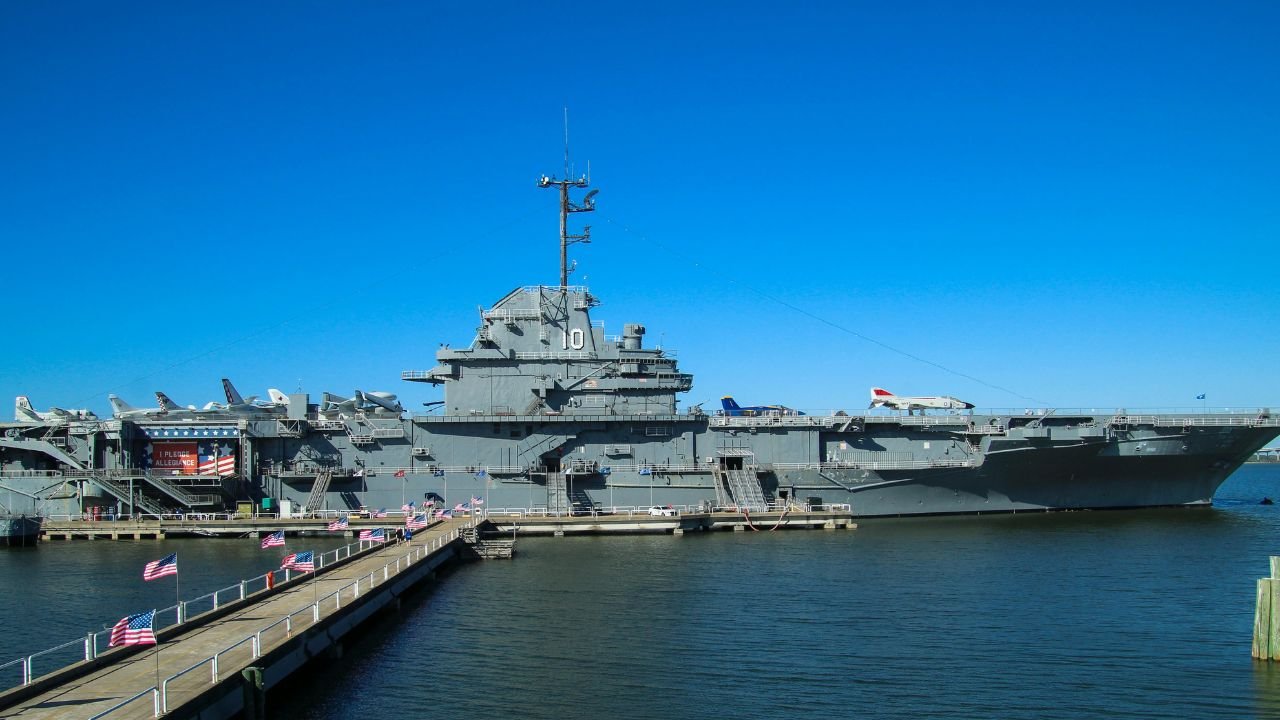
The naval armada includes the USS Nimitz aircraft carrier strike group, which entered the Caribbean in May accompanied by guided-missile destroyers and cruisers capable of launching strikes deep into Cuban territory. Advanced drones and surveillance aircraft have conducted regular flights around the island for months.
Amphibious ships such as the USS Kearsarge, carrying up to 2,500 Marines, remain positioned nearby and could support operations. Fighter aircraft based in Florida and Puerto Rico stand ready for potential air campaigns.
“The Nimitz is likely there primarily for intimidation, though it could be used in a military operation if needed,” said Mark Cancian, a senior analyst at the Center for Strategic and International Studies and former Pentagon official. He noted that air strikes to disable Cuban air defences or target leadership figures, such as Raul Castro, remain possible options.
The timing of the Nimitz’s arrival coincided with the US indictment of Raul Castro, seen by some as a deliberate show of force.
However, the sustained deployments are placing considerable strain on US naval resources. Many vessels have been at sea for nearly 10 months — well beyond standard six-to-seven-month rotations — raising concerns about crew fatigue, maintenance backlogs, and long-term readiness.
This pressure comes atop other major operations, including the record 11-month deployment of the USS Gerald R. Ford, which supported actions in Venezuela and the Middle East. The Nimitz itself, on what was expected to be its final voyage before decommissioning, has had its service extended until 2027.
Defence officials, speaking on condition of anonymity, acknowledged that these extended missions risk harming recruitment and retention. “You don’t sign up for an easy time,” said retired Marine Corps officer Joe Plenzler, “but extending deployments like this, when it feels really open-ended, starts to bleed into retention.”
The White House and Pentagon have declined to comment directly on current deployments or invasion planning.
While a full-scale ground invasion would require significant additional ground forces, the existing naval and air assets already provide the building blocks for a range of military scenarios. Whether President Trump will ultimately authorise action remains unclear, but the infrastructure for rapid escalation is firmly in place.